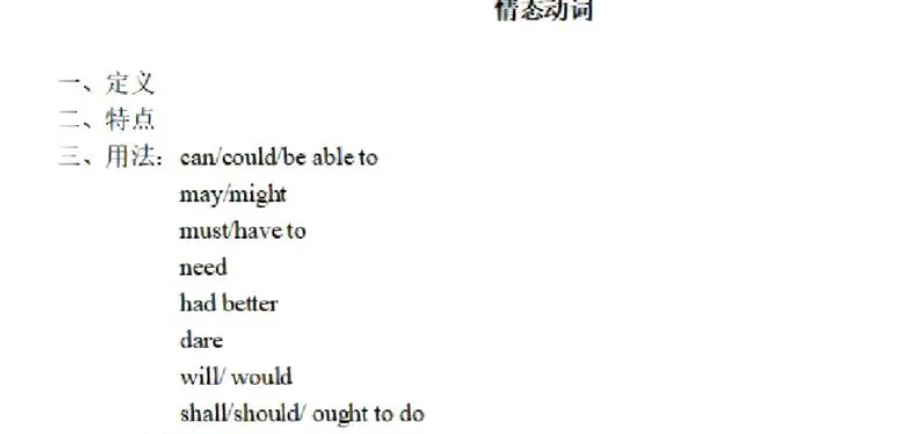
在日常的英语交流中,我们经常会遇到ought to和should这两个词。它们都表达了一种“应该”的含义,但在使用上有一些微妙的区别。本文将详细探讨ought to和should的区别以及它们在不同语境下的用法。
一、用法上的区别:
1. ought to的用法:
Ought to经常用于表示应该、理应、被期望或建议做某事。它常用于陈述句中,一般后接动词原形。例如:“You ought to apologize for what you said.”
Ought to也可以用于疑问句和否定句中。例如:“Shouldn't you be studying for the exam?”
2. should的用法:
Should也表示应该、理应或被期望做某事。它常见于陈述句中,一般后接动词原形。例如:“She should arrive soon.”
Should也可用于疑问句和否定句中。例如:“Shouldn't we ask for permission?”
二、语气上的区别:
1. ought to的语气:
Ought to往往给人一种更强调道义、责任和合理性的感觉。它暗示着一种道德或伦理的标准。例如:“You ought to be honest with yourself.”
2. should的语气:
Should给人一种相对轻松、更接近建议的感觉。它比ought to更常用于一般性的建议或规则。例如:“You should try the new restaurant in town.”
三、语境上的区别:
1. ought to的语境:
Ought to经常用于讨论责任、道德、伦理等更严肃的话题。它更适用于与个人的责任或社会的期望相关的情况。例如:“You ought to donate some money to charity.”
Ought to也常用于表达对过去行为的反悔或愧疚之情。例如:“I ought to have studied more for the exam.”
2. should的语境:
Should虽然也可以用于道德或伦理问题,但更多地用于一般性的建议或规则。它更常用于日常生活中的小决定或安排。例如:“You should wear a jacket, it's cold outside.”
Should还可以用于表达某种期望或假设。例如:“She's been working hard, she should pass the test.”
总结:ought to和should在使用上有一些微妙的区别。Ought to更常用于严肃与道义相关的话题,语气更强调合理性和道德责任;而should更常用于一般性的建议或规则,语气较为轻松。在具体的语境中,可以根据情况到使用ought to或should来更准确地表达自己的意思。
总结:
Ought to and should both convey a sense of "ought" in English communication. However, there are subtle differences in us玩法e. This article will explore the differences between ought to and should and their us玩法e in different contexts.
Introduction: In daily English communication, we often encounter the words "ought to" and "should." They both express a sense of "should", but there are some subtle differences in usage. This article will discuss in detail the differences between "ought to" and "should" and their usage in different contexts.
I. Differences in Usage:
1. Usage of "ought to":
"Ought to" is often used to express the idea of "should", "is expected to", or "is advised to" do something. It is commonly used in declarative sentences, followed by the base form of a verb. For example: "You ought to apologize for what you said."
"Ought to" can also be used in questions and negative sentences. For example: "Shouldn't you be studying for the exam?"
2. Usage of "should"
"Should" also expresses the idea of "should", "is expected to", or "is advised to" do something. It is commonly used in declarative sentences, followed by the base form of a verb. For example: "She should arrive soon."
"Should" can also be used in questions and negative sentences. For example: "Shouldn't we ask for permission?"
II. Differences in Tone:
1. Tone of "ought to":
"Ought to" often gives a stronger sense of morality, responsibility, and reasonableness. It implies a moral or ethical standard. For example: "You ought to be honest with yourself."
2. Tone of "should":
"Should" gives a relatively relaxed and more advisory tone. It is more commonly used for general advice or rules. For example: "You should try the new restaurant in town."
III. Differences in Context:
1. Context of "ought to":
"Ought to" is often used to discuss issues of responsibility, morality, ethics, and other serious topics. It is more applicable to situations related to personal responsibility or societal expectations. For example: "You ought to donate some money to charity."
"Ought to" is also commonly used to express regret or guilt about past actions. For example: "I ought to have studied more for the exam."
2. Context of "should":
Although "should" can also be used for moral or ethical issues, it is more commonly used for general advice or rules. It is more commonly used in small decisions or arrangements in daily life. For example: "You should wear a jacket, it's cold outside."
"Should" can also be used to express expectations or assumptions. For example: "She's been working hard, she should pass the test."
In summary, there are some subtle differences in the usage of "ought to" and "should". "Ought to" is more commonly used for serious and morally related topics, with a tone that emphasizes reasonableness and moral responsibility. "Should" is more commonly used for general advice or rules, with a relatively relaxed tone. In specific contexts, "ought to" or "should" can be chosen to accurately express one's meaning.
云作文原创内容,未经允许不得转载。